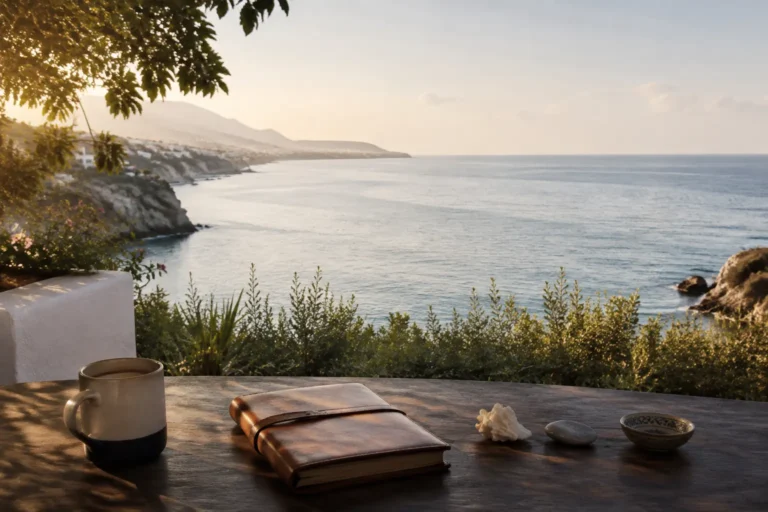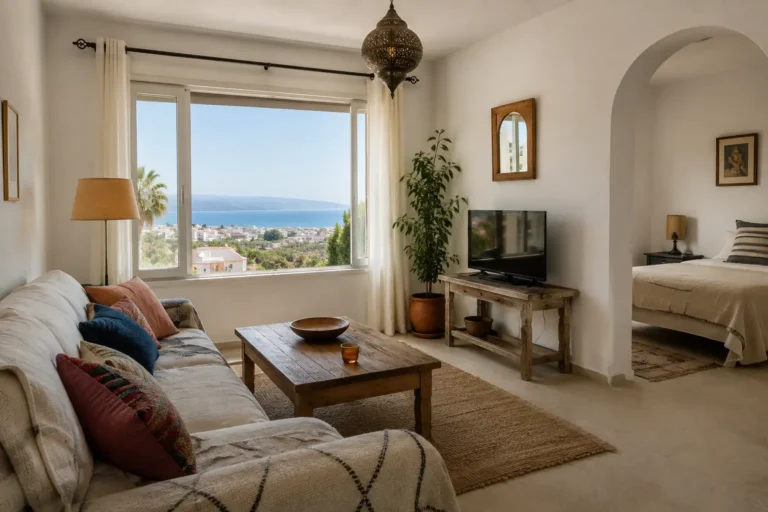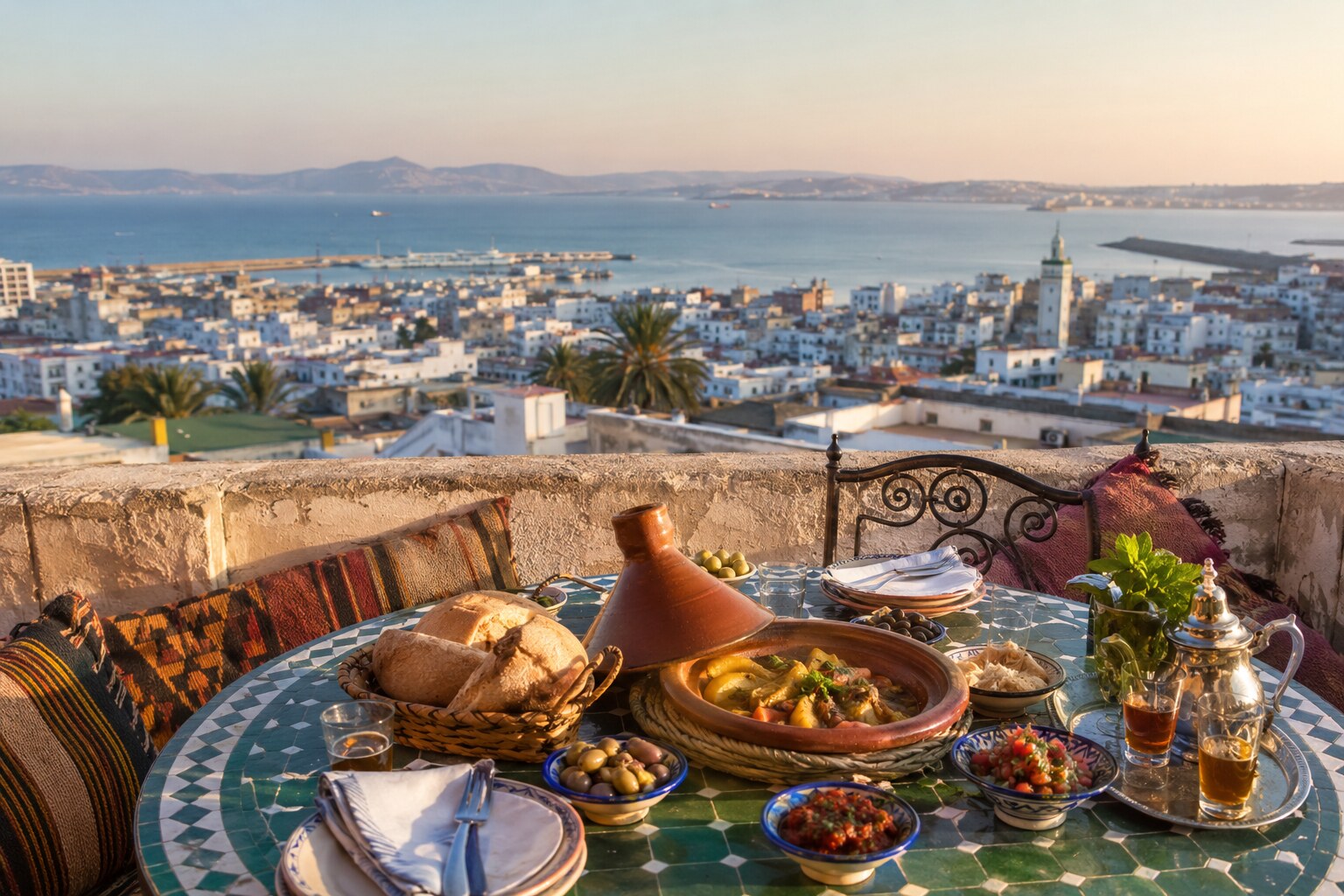
Tangier is an ideal first doorway into Morocco because the city makes its many influences visible. The Strait is always close; Arabic, Darija, Amazigh, French and Spanish histories overlap; and a simple meal can reveal as much about the country as a formal monument.
Hospitality comes before the menu
Moroccan food is inseparable from welcome. Mint tea is not merely a drink ordered from a list: it is a gesture of hospitality, a pause in the day and often the beginning of a conversation. When invited into a home, accept tea or food graciously, follow the host’s lead and avoid treating family customs as a performance staged for visitors.
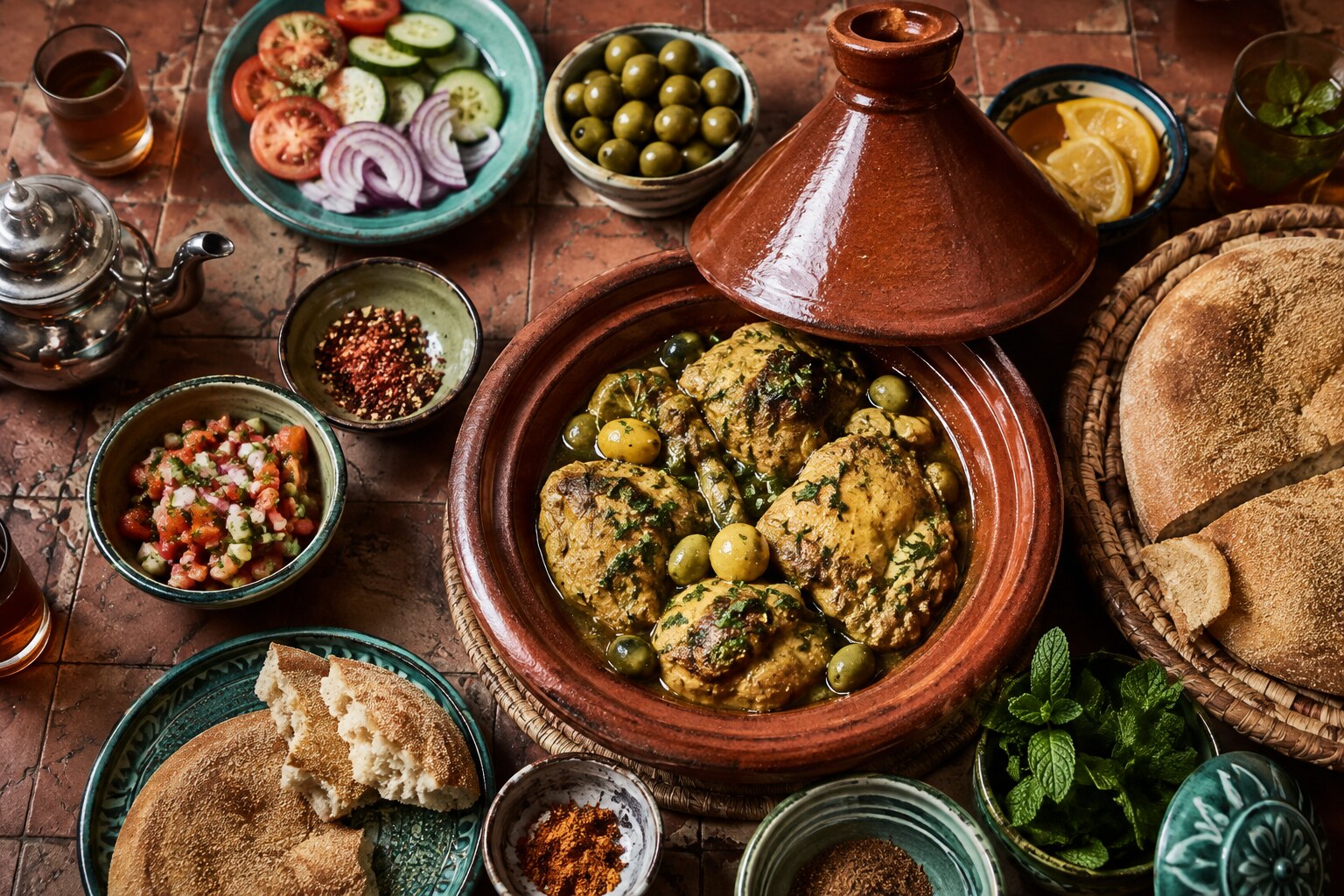
Shared dishes are common. Bread may be used to gather food from a communal plate, and the right hand is traditionally preferred. Restaurants serve individual portions too, but understanding the shared-table tradition helps explain why Moroccan meals feel generous and social.
What to taste in Tangier
Start with dishes that suit the season and the place. A tagine describes both the earthenware vessel and the slow-cooked dish prepared inside it. Chicken with preserved lemon and olives is bright and savory; kefta tagine often arrives bubbling with tomato, spices and eggs; and vegetable versions show how layered seasoning can create depth without heaviness.
Couscous is culturally important and traditionally associated with Friday family meals, although restaurants may serve it throughout the week. Harira brings tomatoes, pulses, herbs and warming spice together in a soup closely connected with Ramadan but enjoyed more broadly. In northern Morocco, seafood, grilled fish and Spanish-Mediterranean influences are especially easy to notice.
Breakfast and street-level snacks deserve attention as well. Try msemen, the layered pan-cooked flatbread, with honey, cheese or amlou; sample fresh khobz from a neighborhood bakery; and look for seasonal fruit rather than assuming every sweet experience must be a pastry.
Spice is balance, not simply heat
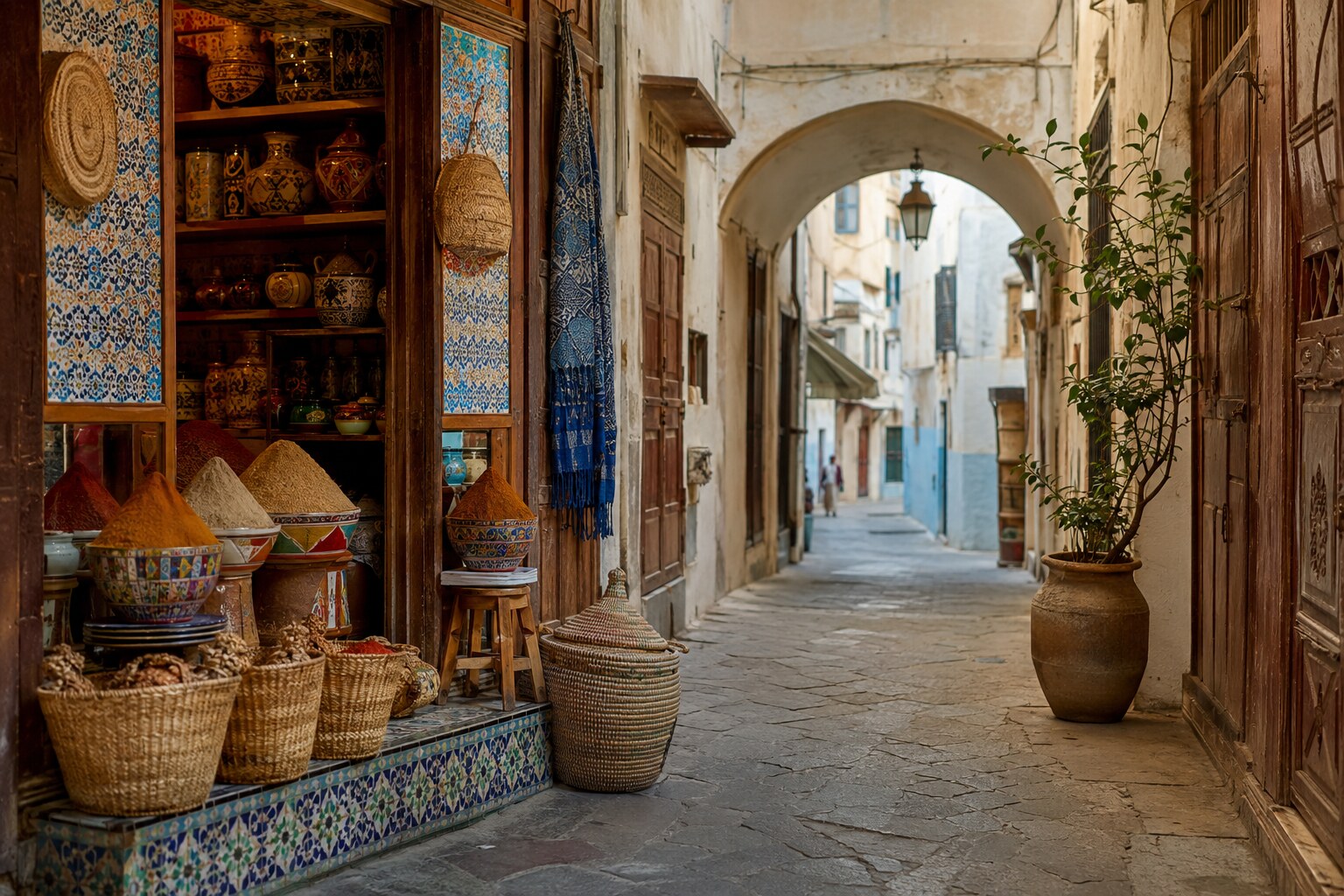
Moroccan cooking is aromatic more often than fiery. Cumin, ginger, turmeric, paprika, cinnamon, saffron, pepper and fresh herbs appear in different combinations. Ras el hanout is a spice blend rather than one fixed recipe, so its flavor varies by maker and intended use. Preserved lemon, olives, smen, dates, almonds and orange-blossom water add acidity, salt, richness and perfume.
When shopping in a market, buy modest quantities from a seller who can explain origin and use. A bright mound of powder is not proof of quality. Whole spices generally keep their character longer, and asking how a local cook would use an ingredient often produces better advice than chasing a generic souvenir blend.
Food also tells a regional story
There is no single Moroccan table. Coastal cities, mountain communities, agricultural plains and Saharan regions work with different ingredients and inherited techniques. Amazigh foodways, Arab traditions, Andalusi influence, Jewish Moroccan cooking, sub-Saharan connections and later European contact all form part of the country’s culinary history.
That diversity is a reason to travel slowly. A dish tasted in Tangier may be prepared differently in Fez, Marrakech, Essaouira or the Rif. Notice the differences instead of searching for one supposedly definitive version.
Recipes worth carrying home
A useful first Moroccan pantry is small: good cumin, paprika, turmeric, ginger, cinnamon, preserved lemon and olives. Learn one dependable tagine, one fresh chopped salad and mint tea before buying dozens of blends. Technique matters: onions need time to soften, spices should perfume the cooking fat without burning, and preserved lemon is powerful enough to add gradually.
For tested recipes, ingredient explainers and deeper culinary guides, continue to Moroccan Goodies. It expands beyond this introduction into Moroccan destinations, culture, food traditions and practical travel planning.
Travel with curiosity and respect
Ask before photographing people, especially vendors and artisans. Dress with awareness of the setting, learn a few courteous Darija phrases and allow room for religious schedules and family life. During Ramadan, visitors can still travel and eat, but should be considerate about public consumption and expect some hours to change.
If you want to explore farther from Tangier independently, Lopez Motos lets visitors browse motorcycles offered by local owners and Moroccan rental businesses. Confirm licensing, insurance, safety equipment and rental terms before reserving, and choose a vehicle appropriate for your experience and route.